
chlorine dioxide


Decontamination, Disinfection and Sterilization
Instant elimination of 100% of pathogenic bacteria, viruses, mold, fungi, algae, spores, and protozoan parasites
IMPORTANT: GREENOX is the No.1 solution against MOLD and the only biocide that destroys BIOFILMS
A safe and powerful alternative to chlorine and QACs
GREENOX chlorine dioxide (ClO₂) is not chlorine or bleach! It is 2.5 times more effective than chlorine
IMPORTANT: Unlike chlorine, GREENOX (ClO₂) is a safe, eco-friendly disinfectant for humans
Universal Disinfectant GREENOX
GREENOX biocide is the most effective modern eco-friendly solution for the disinfection of drinking water and food products, medical and dental disinfection, sterilization of instruments, equipment, premises, and all types of surfaces, as well as chemical treatment of wastewater (domestic, municipal, and industrial).
Broad Spectrum of Disinfectant Action
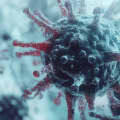
Viruses
Virucidal disinfectant
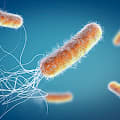
Bacteria
Bactericidal disinfectant

Mold
No.1 solution against mold and biofilms

Algae
GREENOX is a powerful algicide
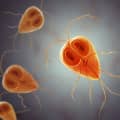
Parasites
Disinfection of protozoan (single-celled) parasites
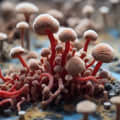
Fungi
Fungicidal disinfectant
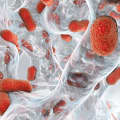
Biofilms
The most effective agent for biofilm destruction

Spores
Sporicidal disinfectant
Modern cleaning and disinfection agent

Russian recommendations
The GREENOX biocide has a recommendation from the Expert Council of the State Duma of the Russian Federation No. 12/ES dated 02/20/2020 (all documents are available upon request).

Global standards
The active ingredient of GREENOX, chlorine dioxide, is registered with the US EPA as an agent for drinking water disinfection in place of chlorine.
2.5
2.5 times more effective than chlorine
GREENOX chlorine dioxide is more effective than chlorine and ozone even at low concentrations for the disinfection and sterilization of instruments, water, and air.

Non-aggressive
At working concentrations, GREENOX has low corrosivity compared to traditional chlorination, making it a safe disinfectant for equipment, instruments, and water supply systems.

Eco-friendly
Unlike dangerous chlorine, the GREENOX biocide does not form toxic carcinogens, trihalomethanes, ketones, or chloramines, and is a harmless eco-friendly agent for humans, animals, and the environment.
How the GREENOX disinfectant works

Versatility
GREENOX chlorine dioxide (ClO₂) is a broad-spectrum disinfectant:
- Disinfection of air and water (drinking water, pool purification, wastewater)
- Sterilization of instruments, premises, and equipment in medicine
- Disinfection of surfaces, technological equipment, food products, and containers
- Elimination of odors and removal of biofilms where chlorine and sodium hypochlorite fail
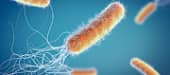
Bacteria
GREENOX destroys the cell envelope and nucleus of bacteria through chemical oxidation rather than chlorination[cite: 6]. The bactericidal mechanism of action precludes the development of resistance: microorganisms are completely destroyed and cannot develop immunity, which allows the use of chlorine dioxide on a continuous basis without the need for alternative biocides[cite: 6].
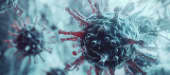
Viruses
Due to its high oxidative capacity, GREENOX destroys the protein envelope of viruses and their genetic material (RNA/DNA), rendering them non-viable[cite: 6]. The virucidal effect is achieved through oxidation, not chlorination[cite: 6]. It is effective even at low concentrations that are absolutely safe for humans[cite: 6].
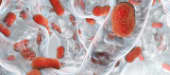
Biofilms
Chlorine dioxide remains a gas in solution; its molecules penetrate deep into layers of mucus and destroy the polysaccharide matrix that holds the biofilm together, whereas traditional disinfectants only affect the surface of the deposits[cite: 6]. This makes GREENOX the No. 1 agent for combating slime, biofouling, and Legionella in water circulation systems[cite: 6].


GREENOX chlorine dioxide — a modern replacement for chlorine and hypochlorite
GREENOX, based on chlorine dioxide, is used for water disinfection, biofilm removal, and the decontamination of premises, equipment, and water supply systems. It provides safer, more effective, and environmentally friendly disinfection compared to traditional chlorination.
GREENOX is more effective than chlorine and traditional disinfectants
GREENOX is particularly valued for its ability to destroy resistant pathogens (anthrax, botulism spores) and highly lethal viruses (COVID-19, rabies, ASF/ASFV, Ebola), as well as parasites resistant to chlorination.
Chlorine

GREENOX


Pungent chlorine odor

No color or pungent odor
Reacts with amines and nitrogen-containing organic matter to form chloramines, which produce a characteristic smell and taste. The smell of chlorine is not 'cleanliness,' but a by-product of chlorination.
GREENOX does not form significant amounts of chloramines, ensuring clean water without eye irritation, smell, or taste.
Does not remove biofilms
Completely removes biofilms
The chlorine molecule does not penetrate the polysaccharide matrix of a biofilm. Even at high doses, it only suppresses surface bacteria without eliminating the colony from within.
The chlorine dioxide molecule remains a gas in solution and penetrates the polysaccharide matrix of the biofilm, destroying it from within. GREENOX is an effective biofilm remover.
pH dependent
Not pH dependent
Chlorination efficiency drops sharply at pH > 7.5. In concrete pipes and DHW systems, where pH is usually alkaline, sodium hypochlorite performs poorly.
GREENOX biocidal activity is stable in the pH range of 4–10. Effective water disinfection in concrete pipes, pools, and wells without pH adjustment before treatment.
Not applicable for air disinfection
Effective for air disinfection
Air disinfection with chlorine is impossible due to rapid evaporation and high risk to the respiratory tract even at low concentrations.
Air disinfection in rooms, air ducts, and ventilation systems is one of the key advantages of GREENOX.
Forms trihalomethanes and carcinogens
Does not form trihalomethanes — eco-friendly
Leads to the formation of toxic by-products (chlorophenols, trihalomethanes, haloacetic acids, etc.) when reacting with organic matter present in water.
GREENOX produces almost no organochlorine by-products, including trihalomethanes. Chlorine dioxide's environmental safety is confirmed by the EPA (USA) and the WHO: it is approved for drinking water disinfection instead of chlorine.
Weak algaecide
Strong algaecide
Chlorine kills algae in pools and open reservoirs only at very high doses, which create unpleasant odors and are harmful to eyes and skin.
A strong algaecide at the ultra-low doses used for water disinfection, 0.1 – 0.5 mg/l.
High corrosivity
Low corrosivity
Actively reacts with metals and degrades organic materials, plastics, and rubber seals, significantly reducing equipment service life.
GREENOX (ClO₂), at working concentrations, does not damage metals, plastic components, or most materials, unlike chlorine-based disinfectants.
GREENOX supply across Russia and abroad
We will select the appropriate chlorine dioxide working concentrations and calculate the dosage, consumption, and supply volume for your facility.
We will develop comprehensive solutions and implementation recommendations for any industry and field of activity.
Pathogens destroyed by GREENOX
GREENOX has the broadest biocidal spectrum among disinfectants. It is especially valued for its ability to destroy resistant pathogens (anthrax), highly lethal viruses (COVID-19, rabies, ASF/ASFV, Ebola), helminth eggs and larvae, as well as protozoan parasites resistant to water chlorination. Here are just a few examples:
Viruses
Coronaviruses (COVID-19, SARS, MERS)
Destroys the lipid envelope and viral RNA through direct oxidation—without chlorination. Effective at concentrations safe for humans.
African Swine Fever (ASF/ASFV)
A highly contagious, fatal infection affecting pigs of all breeds and ages. GREENOX is a reliable bactericidal and virucidal agent for disinfecting livestock premises and equipment.
Influenza (Influenza A/B, Avian H5N1, Swine H1N1)
Destroys the influenza virus envelope and blocks its reproduction. Effective for sanitary treatment of premises and ventilation systems during epidemics.
Rotavirus and Norovirus
The main causative agents of intestinal infections transmitted via water and food contact. Destroyed at standard water disinfection doses.
Hepatitis A, B, C, E
Destroys the protein envelope and blocks reproduction. Used for disinfecting medical equipment and work surfaces in healthcare facilities.
Poliovirus (Polio)
One of the viruses most resistant to common disinfectants. GREENOX chlorine dioxide destroys it even at low concentrations.
Enteroviruses (ECHO, Coxsackie)
Causative agents of GI and nervous system infections transmitted through water. Effectively neutralized during bactericidal disinfection of tap water and pools.
Adenoviruses
Cause respiratory and eye infections. Especially relevant for pools and water parks—GREENOX eliminates them in water without the smell of chlorine.
Ebola virus
Studies confirm that chlorine dioxide destroys the Ebola virus in water and air during sanitary treatment of premises.
Herpes virus (HSV-1, HSV-2)
GREENOX reduces viral infectivity by destroying its envelope, rendering it unable to infect cells. Used for disinfecting surfaces and instruments in medical facilities.
Rabies virus
Deactivated during sanitary treatment of surfaces and equipment with GREENOX solution. Relevant for veterinary clinics and livestock farms.
HIV (Human Immunodeficiency Virus)
Not used for treatment, but is deactivated in laboratory conditions. Used as a virucidal agent for disinfecting medical equipment.
Bacteria and Spores
Salmonella (Salmonella spp.)
The main cause of food poisoning and typhoid fever. Destroyed by GREENOX during disinfection of food equipment, containers, and production surfaces.
Legionella (Legionella pneumophila)
The main problem in water supply systems, cooling towers, and air conditioners. GREENOX is the only bactericide that kills Legionella inside biofilms, where chlorine and sodium hypochlorite fail.
Anthrax (Bacillus anthracis)
Effective against the causative agent of anthrax and its spores—one of the most resistant biological agents. The sporicidal effect of GREENOX is confirmed by independent studies.
Tuberculosis (Mycobacterium tuberculosis)
Resistant to common bactericides and chlorination. GREENOX is effective even against resistant dormant forms of Mycobacterium tuberculosis during medical facility disinfection.
Cholera (Vibrio cholerae)
GREENOX kills the cholera vibrio and its biofilms even in murky, warm water—where disinfection with chlorine and bleach loses effectiveness.
Staphylococci (Staphylococcus aureus)
Including MRSA (methicillin-resistant S. aureus). Destroyed by GREENOX during bactericidal treatment of medical facilities and surfaces.
Listeria (Listeria monocytogenes)
Dangerous for pregnant women, can cause meningitis. Critically important to destroy in food production; GREENOX provides reliable disinfection of equipment and work surfaces without toxic residues.
Leptospirosis (Leptospira spp.)
Affects the liver, kidneys, and central nervous system. Bactericidal water disinfection in wells and supply systems with GREENOX prevents waterborne infection.
Bacillus spores (Bacillus subtilis, Bacillus cereus)
Spores are resistant to common water chlorination and sodium hypochlorite. GREENOX chlorine dioxide has a pronounced sporicidal effect and destroys them.
Clostridium botulinum spores
The causative agent of botulism. Spores are extremely resistant—not susceptible to standard doses of bleach or sodium hypochlorite. GREENOX destroys them due to its high oxidative capacity.
Application areas for GREENOX biocide

Disinfection in medicine and veterinary practice
Disinfection of medical institutions, equipment, instruments, surfaces, and water[cite: 7]. GREENOX chlorine dioxide provides bactericidal, virucidal, and fungicidal action[cite: 7]. High-quality sterilization of medical instruments and waste decontamination without the pungent smell of chlorine or high corrosivity[cite: 7].

Drinking water disinfection
Disinfection of drinking water and distribution networks[cite: 7]. GREENOX chlorine dioxide provides long-term residual disinfection, destroys biofilms (Legionella), and reduces the risk of secondary microbiological contamination without forming harmful organochlorine by-products[cite: 7].

Swimming pool and water park disinfection
Water disinfection for pools, spas, and water parks[cite: 7]. The No. 1 solution against algae, fungi, and biofilms in circulation systems[cite: 7]. GREENOX maintains water clarity, reduces eye irritation, and eliminates unpleasant odors associated with traditional chlorination[cite: 7].

Disinfection of premises and transport
Sanitary treatment of premises, transport, subways, medical and utility service facilities, as well as educational, cultural, recreational, and sports institutions[cite: 7]. Allows decontamination in the presence of people (within permissible concentrations), which is unattainable with chlorine disinfectants[cite: 7].




Check out all eco-friendly products on our shared website biomix.group
volga
Corrosion and scale inhibitor

For stabilization treatment of water in domestic, drinking, and hot water networks, as well as heating systems
bius
Biological process accelerator
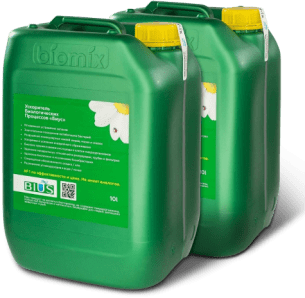
A new, unique product for biological cleaning and odor removal, developed by Russian microbiologists
Write to us on Max, Telegram or WhatsApp right now or fill out the form below, to contact management:
Our Contacts
We are always available. Place your order right now!
biomix.group@mail.ru
Write to us and we will get back to you shortly
BIOMIX Company
Nizhny Novgorod
Welcome! Our doors are always open

